Why Construction Arbitration is Complex? (I)

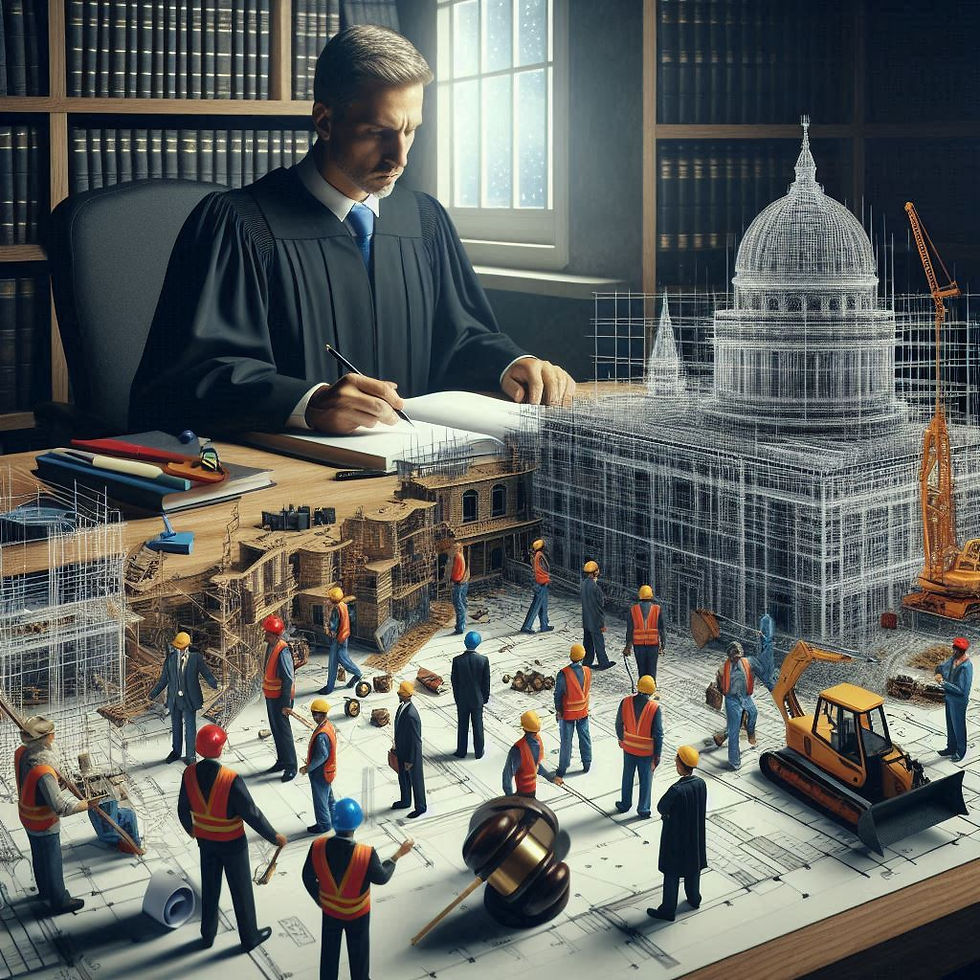
Why is construction arbitration always described as complex?
What makes it stand apart from other types of arbitration?
When I started to work for a construction company, I soon realized that the claims that arose out of these contracts were complex.
And this was due to the complexity of these types of contracts and the relationships between the multiple parties involved in a project.
In this new series of articles, I will explain the main reasons behind this complexity
Construction arbitration is a special field within arbitration proceedings due to its complexity, which derives from the very nature of construction contracts. In a construction contract, many factors converge to make it complex. Among them we can identify the technical nature of the subject matter of the contract, the multiple types and varieties of contracts that are used in which a multiplicity of parties are involved.
There are also many different claims that the parties to these contracts usually make with a high technical component that we must get used to understanding and handling. Therefore, arbitration to resolve these disputes also has specialties that must be known by practitioners and arbitrators and that make these arbitrations differ from an arbitration process in another matter.
To be able to defend as a lawyer a construction case or to decide as an arbitrator on disputes arising in this sector, it is necessary to have an in-depth knowledge of what construction is and how it "works".
Similarly when you represent a party or decide on an insurance or maritime law dispute you need to have an in-depth knowledge of these matters, you also need to be very familiar with and have a deep knowledge of what a construction contract is like: what the rights and obligations of the parties are, what the risks are and how the parties regulate them, what are the interactions between the parties to the contract and other parties involved that allow bringing the project to a successful conclusion and, finally, you need to be familiar with the technical procedures and the technical vocabulary.
If, in addition to all that, you have the experience of having been in person at the site where the works are performed and are familiar with how the daily process of performing is like, you will be in the best position to finally understand why arbitration in this area is complex and how to effectively represent any of the parties or decide such disputes on a sound basis.
"To be able to defend as a lawyer a construction case or to decide as an arbitrator on disputes arising in this sector, it is necessary to have an in-depth knowledge of what construction is and how it 'works’ ."
In this series of articles, I will try to explain why a construction contract or project is somewhat complex, especially in the international arena, and why this complexity also affects the dispute resolution procedures that are initiated to resolve disputes arising in its execution.
For this purpose, I will follow the following scheme in the following articles:
Firstly, we will see what the characteristics of construction contracts at the international level are to be able to determine the source of their complexity, both technical and legal.
Next, we will learn which are the claims that most frequently arise in these contracts and their characteristics.
It is also necessary to know what means exist to try to resolve these disputes before resorting to arbitration, some of which are specific and particular to this sector.
Finally, we will analyze how all this complexity affects the approach and development of arbitration proceedings initiated to resolve disputes in this type of contract.
The complexity of international construction arbitration is universally acknowledged in the legal world by all stakeholders. A survey conducted in 2019 by Queen Mary University of London and Pinsent Masons noted that respondents defined the following as characteristics of this type of arbitration:
Factual and technical complexity (73%)
The large amount of evidence used in these disputes (66%)
The existence of several cumulative and multi-party claims (49%)
The large financial amounts under discussion (41%), and
The wide range of related issues (31%).
After this brief introduction, in the next article we will begin to analyze what a construction contract looks like and its characteristics.
If you liked this article, please share it 👇



Comments